Summary:
You’ve rented the dumpster. It’s sitting in your driveway. Now comes the part that trips up more people than you’d think: figuring out what you can actually put in it.
Some items are no-brainers. Others? Not so much. And if you guess wrong, you’re looking at rejected loads, extra fees, or fines from local authorities in Nassau or Suffolk County. Long Island has specific disposal regulations, and what flies in one area might not in another. This isn’t about being difficult. It’s about safety, environmental protection, and keeping disposal sites running properly.
Here’s what you need to know about what goes in your dumpster—and what stays out.
What You Can Put in a Dumpster
Most household junk and construction debris is perfectly fine for dumpster disposal. If it’s non-hazardous and fits your weight limit, you’re usually good to go.
Think furniture that’s seen better days. Old couches, tables, chairs, bed frames—they all qualify. Same goes for general household clutter you’ve been meaning to clear out. Broken toys, outdated décor, storage items you’ll never use again. Standard stuff that doesn’t pose a risk to anyone handling it.
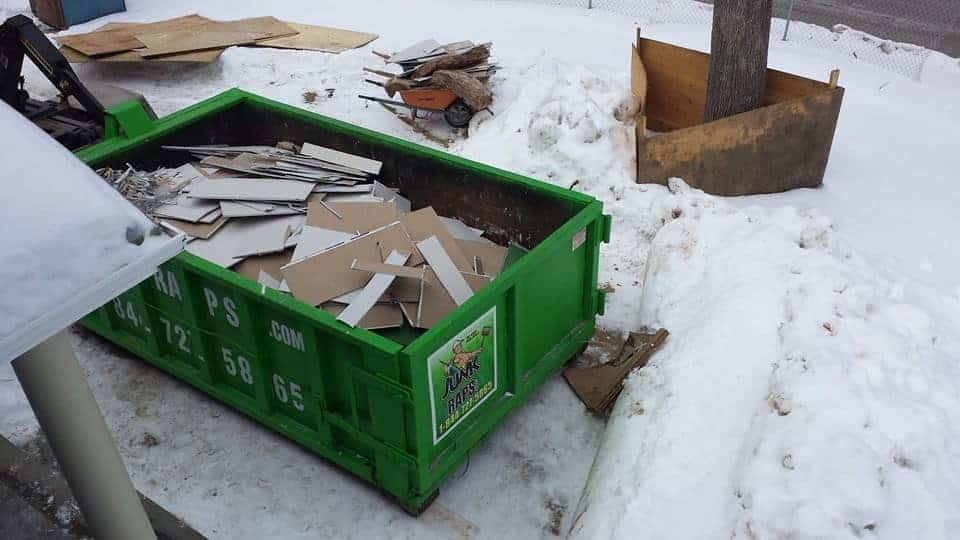
Construction and renovation debris makes up a huge chunk of what goes into dumpsters across Nassau County and Suffolk County. Drywall, wood, concrete, brick, metal, glass, tile, lumber, and plywood all get the green light. If you’re tearing out a bathroom or kitchen, sinks, toilets, cabinets, and non-electronic fixtures can go in too.
Furniture and Household Items You Can Toss
Furniture removal is one of the most common reasons people rent dumpsters across Long Island. That old sectional that doesn’t fit your new space, the dining set you inherited but never liked, the mattress that’s past its prime—all acceptable.
Wooden furniture is especially straightforward. Untreated wood breaks down easily and doesn’t create disposal issues. Tables, chairs, dressers, shelves, bed frames, and coffee tables all qualify. If it’s made of wood and isn’t treated with chemicals, you’re in the clear.
Upholstered furniture gets a bit trickier depending on where you are in Nassau or Suffolk County. Some areas accept it without issue. Others charge extra fees or have restrictions. Mattresses fall into this category too. We accept them, but it’s worth confirming before you toss one in to avoid surprises.
Small appliances that don’t contain hazardous materials are generally fine. Microwaves, toasters, coffee makers, blenders—these can go in your dumpster without issue. The key word here is “small.” Large appliances with Freon or other refrigerants need special handling, which we’ll cover in a minute.
General household clutter rounds out what you’re allowed to dispose of. Boxes of old books, outdated electronics that don’t contain hazardous components, sports equipment, packaging materials, and everyday items that have outlived their usefulness. If it’s been sitting in your garage or attic collecting dust for years, it probably qualifies for disposal.
One thing to keep in mind: just because an item is allowed doesn’t mean you should ignore weight limits. Heavy materials like concrete and dirt add up fast. Most dumpsters come with weight allowances based on tonnage, and going over means extra charges that can really sting. If you’re disposing of particularly heavy debris, mention it when you book so you get the right size and avoid those surprise fees that nobody likes.
Yard waste is another category that’s generally acceptable, with some caveats. Branches, leaves, brush, and organic debris from landscaping projects usually qualify. Some Long Island municipalities have specific rules about mixing yard waste with other materials, so it’s worth checking. Tree stumps might come with size restrictions or additional fees depending on your project.
Construction Debris You're Allowed to Dispose Of
If you’re renovating, remodeling, or building in Nassau County or Suffolk County, you’re generating construction debris that needs proper disposal. The good news? Most of it’s perfectly acceptable for your dumpster.
Drywall, also called sheetrock or gypsum board, is one of the most common materials you’ll toss. Whether you’re tearing out walls or dealing with scraps from new installation, it can go straight in. Wood from framing, trim, flooring, or demolition work is fine too, as long as it’s not treated with preservatives. Standard lumber, plywood, and untreated wood scraps all qualify without issue.
Concrete, brick, and masonry materials are allowed, but here’s where weight becomes critical for your wallet. These are heavy. A dumpster that looks half-full of concrete might already be at its weight limit. If you’re disposing of significant amounts of concrete, brick, or stone, you might need a dedicated debris dumpster designed specifically for heavy materials. Mixing them with lighter debris can push you over weight limits fast, and overage fees add up quickly.
Metal from construction projects is not only allowed—it’s often recyclable, which is better for everyone. Steel beams, aluminum siding, copper piping, rebar, and scrap metal can all go in. Some disposal facilities even offer better rates for loads with high metal content because it’s valuable for recycling. That’s money you could save just by mentioning what you’re disposing of upfront.
Roofing materials like shingles, tiles, and underlayment are acceptable in most cases across Long Island. Asphalt shingles from tear-offs are common in dumpsters. Just be aware that roofing debris is dense and heavy for its size. A roof replacement can fill a dumpster quickly and hit weight limits before the container even looks full, which catches people off guard.
Flooring materials including carpet, tile, hardwood, and laminate generally qualify for disposal without special handling. Carpet removal generates bulk fast but isn’t particularly heavy, so you can usually fit a lot in. Tile and hardwood are denser and add weight quickly. Laminate and vinyl flooring fall somewhere in between. If you’re removing flooring from multiple rooms, factor in both volume and weight when choosing your dumpster size to avoid needing a second one.
Doors, windows, and cabinetry from remodeling projects can go in, with some exceptions you should know about. Standard wood or metal doors are fine. Windows are trickier—glass windows and mirrors aren’t recyclable in most areas and need to be handled carefully to avoid injury during disposal. Tape up large glass pieces or double-bag broken glass before tossing it in to protect yourself and our haulers.
What doesn’t qualify as construction debris, even if it came from your construction site? Anything hazardous. Asbestos-containing materials, lead paint debris, chemical-treated wood, and contaminated soil are all prohibited. If your renovation involves an older home in Nassau or Suffolk County, be especially careful about asbestos in insulation, flooring, or siding. That requires specialized removal and disposal through certified facilities, not a standard dumpster rental.
What You Cannot Put in a Dumpster
This is where things get serious for your project and your wallet. Prohibited items aren’t just suggestions—they’re hard rules backed by environmental regulations, safety concerns, and legal requirements that can cost you.
Hazardous materials top the list of what you absolutely cannot toss in. Anything toxic, flammable, corrosive, or reactive doesn’t belong in your dumpster. We’re talking paints, solvents, pesticides, herbicides, motor oil, antifreeze, gasoline, propane tanks, and household chemicals. These materials can contaminate soil and groundwater, create fire hazards during transport, or harm workers handling your waste.
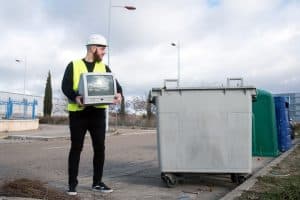
Electronics with hazardous components are banned too across New York State. Computers, monitors, TVs, laptops, tablets, and anything containing circuit boards or batteries need to go through e-waste recycling programs instead. They contain heavy metals like lead and mercury that can’t go into standard landfills without creating environmental problems.
Batteries of almost any kind are prohibited from dumpsters. Car batteries, lithium batteries from your electronics, rechargeable batteries—they all require special disposal. The only exception in some areas is alkaline batteries (standard AA, AAA, D batteries), which are sometimes allowed, but even those are better off recycled properly.
Hazardous Materials and Why They'll Get You Fined
Hazardous materials aren’t just inconvenient to dispose of—they’re genuinely dangerous when you handle them improperly. That’s why regulations around them are so strict in Nassau County, Suffolk County, and across Long Island.
Paint and paint-related products are among the most commonly prohibited items that people try to sneak in anyway. Liquid paint, paint thinners, stains, varnishes, and solvents all contain chemicals that can leach into soil and groundwater if disposed of improperly. If you have old paint cans sitting around, you need to either use up the paint, let it dry completely (dried latex paint is sometimes acceptable), or take it to a hazardous waste collection facility. Many Long Island towns hold free collection days for residents.
Automotive fluids don’t belong anywhere near your dumpster, even in small amounts. Motor oil, transmission fluid, brake fluid, antifreeze, and gasoline are all flammable and toxic. Most auto parts stores and service centers across Long Island accept used motor oil for recycling at no charge. Antifreeze and other fluids usually need to go to hazardous waste collection events or facilities that handle them properly.
Pesticides, herbicides, and fertilizers might seem harmless since you use them outdoors, but they’re classified as hazardous waste for good reason. The chemicals in them can contaminate water supplies and harm ecosystems when disposed of incorrectly. Many counties in Long Island hold periodic hazardous waste collection days where you can drop off these materials for free instead of risking fines.
Propane tanks and compressed gas cylinders are prohibited because they can explode during compaction or transport. Even if your propane tank seems empty, trace amounts of gas can remain inside. The slightest spark during compaction or transport could cause a serious accident that injures workers. Most propane suppliers or hardware stores will take back old tanks for proper disposal or recycling, so there’s no reason to risk it.
Asbestos-containing materials require certified professionals for removal and disposal—this isn’t a DIY situation. If your home was built before the 1980s, asbestos might be present in insulation, floor tiles, siding, or roofing materials. Disturbing asbestos releases fibers into the air that cause serious health problems including cancer. Never put suspected asbestos materials in your dumpster—hire a licensed asbestos abatement contractor instead to protect yourself and others.
Medical waste, including needles, syringes, bandages, and anything contaminated with bodily fluids, is strictly prohibited from dumpsters. These materials pose infection risks to waste handlers who have no idea what they’re touching. Most pharmacies and healthcare facilities across Nassau and Suffolk counties offer sharps disposal programs for needles and syringes. Other medical waste should go through designated medical waste disposal services, not your rental dumpster.
Appliances, Electronics, and Items That Cause Confusion
Large appliances create a gray area that confuses more people than just about anything else. Some are fine for your dumpster. Others absolutely aren’t, and mixing them up can cost you.
Appliances containing Freon or other refrigerants can’t go in standard dumpsters under any circumstances. That includes your old refrigerators, freezers, air conditioners, and dehumidifiers. Freon is a hazardous chemical that damages the ozone layer when released. Even if you drain the Freon yourself, trace amounts remain and create environmental risks. These appliances need to go through certified recycling programs where professionals safely remove refrigerants before disposal.
Hot water heaters are banned from dumpsters for a different reason that surprises people—explosion risk. Empty spaces inside water heaters can trap gases that become combustible under pressure. During compaction at disposal facilities, these trapped gases can ignite and cause serious accidents. Most scrap metal recyclers across Long Island accept water heaters, or your plumber might haul away the old one when installing your new unit.
Tires are prohibited in virtually all dumpsters, and for good reason. Rubber doesn’t break down in landfills even over decades. Tires also trap gases and can float to the surface, disrupting landfill structure and creating hazards. Plus, they’re a fire hazard—tire fires are notoriously difficult to extinguish and release toxic smoke that affects entire communities. Most tire shops and auto service centers accept old tires for recycling when you buy new ones, so disposal is easy if you know where to go.
Treated wood, railroad ties, and telephone poles can’t go in your dumpster because they’re impregnated with toxic preservatives. The chemicals used to prevent rot—creosote, pentachlorophenol, and chromated copper arsenate—are hazardous to people and the environment. These materials need special disposal through facilities equipped to handle treated wood safely.
Fluorescent light bulbs and tubes contain small amounts of mercury, making them hazardous waste even though they seem harmless. Many hardware stores and home improvement centers across Nassau and Suffolk counties have recycling programs for fluorescent bulbs. Some municipalities include them in hazardous waste collection events. Don’t break them and toss them in your dumpster—the mercury poses health risks to anyone who handles them.
Adhesives like glue and epoxy shouldn’t go in dumpsters either, even in small amounts. They can stick to the container walls and other debris, creating a mess that’s difficult to clean and expensive for us. More importantly, many adhesives contain volatile organic compounds that make them hazardous. Dispose of these with your regular household trash in small amounts, or take larger quantities to hazardous waste collection.
Food waste is often prohibited, especially in large amounts that create problems. It attracts rodents and pests, creates odors that affect your neighbors, and can make a mess in the container that’s unpleasant for everyone. If you’re doing a commercial kitchen cleanout or disposing of significant food waste, you’ll need alternative disposal methods. Small amounts mixed with other household trash are usually fine, but don’t fill a dumpster with spoiled food and expect it to be accepted.
Making Smart Disposal Decisions in Long Island
Knowing what can and can’t go in your dumpster isn’t just about following rules—it’s about avoiding headaches, extra costs, and potential legal trouble. Nassau County and Suffolk County take waste disposal seriously, and for good reason.
When you’re clear on what’s acceptable, you can load your dumpster efficiently, stay within weight limits, and keep your project moving forward without delays. When you’re not sure about an item, ask before you toss it in. A quick call to us can save you from rejected loads, extra fees, or worse.
If you’re tackling a project in Long Island and need reliable guidance on what you can dispose of, we can help. Whether you’re renting a dumpster for a DIY cleanout or need full-service junk removal where our team handles everything, you’ll get straight answers, fair pricing, and service that actually shows up when promised.