Summary:
Why Spring and Fall Are the Best Times for Home Cleanouts
There’s a reason people don’t do major cleanouts in July or January. Spring and fall offer that narrow window when the weather cooperates and your schedule has a bit of breathing room before the next wave of holidays, vacations, or weather extremes.
Spring hits right after you’ve been cooped up all winter. You notice everything that’s been piling up because you’re finally opening windows and letting light into spaces you’ve been avoiding. Fall is the opposite—you’re closing up the house, and suddenly all that outdoor furniture, summer gear, and garage overflow needs to go somewhere or get tossed.
Both seasons force you to confront what’s actually taking up space in your home. And both give you a practical reason to act now rather than later.
What to Tackle During Spring Cleanouts in Long Island
Spring cleanouts are about clearing out what winter left behind and making room for the warmer months ahead. Start with your garage. It’s probably packed with snow shovels, salt bags, and equipment you won’t touch again until November. If you’re not using it in the next six months, move it to long-term storage or get rid of it.
Basements are next. Winter is when things get shoved downstairs and forgotten. Old furniture that didn’t sell at last year’s garage sale. Boxes from the move three years ago that never got unpacked. Broken appliances you meant to fix. Spring is when you finally admit none of that is coming back upstairs.
Your attic needs attention too, especially if you’ve got holiday decorations from the past decade mixed in with baby clothes your kids outgrew five years ago. Pull everything out, and be honest about what you’ll actually use again. If the box hasn’t been opened in two years, you don’t need it.
Outdoor spaces matter in spring. Sheds, patios, and decks accumulate junk over the off-season. Broken planters, rotted wood, rusted tools—it all needs to go before you can enjoy your yard again. Spring is also when you’ll notice landscaping debris piling up as you trim back overgrowth and clean up winter damage.
The biggest mistake people make during spring cleanouts is trying to do everything in one weekend. You’ll burn out, and half the job won’t get done. Pick one area, finish it completely, then move to the next. A 10-yard or 20-yard dumpster rental gives you a place to toss everything as you go, so you’re not making constant trips to the dump or waiting for bulk pickup day.
Fall Decluttering: Preparing Your Long Island Home for Winter
Fall cleanouts have a different focus. You’re not just clearing space—you’re preparing your home to function through the colder months when you’ll be spending more time indoors. That means dealing with the stuff that’s been sitting outside all summer and making sure your indoor spaces can handle the shift.
Start with outdoor furniture, grills, and summer equipment. If it’s been sitting in the rain for three months and looks like it belongs in a landfill, it probably does. Don’t store junk just because you feel guilty about throwing it away. Rusted grills, cracked plastic chairs, and sun-damaged umbrellas aren’t coming back next year.
Garages get hit hard in fall because that’s when all the outdoor gear comes back inside. Bikes, sports equipment, gardening tools, pool supplies—it all needs a home, and if your garage is already full, something has to go. This is also when you’ll want to make room for snow blowers, shovels, and winter gear, which means the summer stuff either gets stored efficiently or tossed.
Closets are a fall priority too. You’re swapping out wardrobes, and that’s the perfect time to get rid of clothes that don’t fit, are out of style, or haven’t been worn in a year. Same goes for your kids’ closets—fall means back to school, new clothes, and a lot of old stuff that needs to be donated or trashed.
Basements and attics don’t get a pass in fall either. You’re about to spend more time indoors, and if those spaces are cluttered, you’ll feel it. Plus, fall is when you’ll need to access holiday decorations, and digging through piles of junk to find them is miserable.
The key to a successful fall cleanout is being ruthless about what stays and what goes. If you’re storing something “just in case,” and you haven’t used it in two years, you’re not going to use it next year either. A residential dumpster rental makes it easy to clear out the junk without overthinking it. Toss it, move on, and enjoy the extra space.
How to Choose the Right Dumpster Rental for Your Seasonal Cleanout
Not every cleanout needs the same size dumpster, and renting one that’s too small means you’ll run out of space halfway through the job. Too big, and you’re paying for capacity you don’t need.
For most seasonal cleanouts in Nassau County or Suffolk County, a 10-yard or 20-yard dumpster works. A 10-yard handles single-room projects like a garage cleanout or a basement corner. A 20-yard is better if you’re tackling multiple areas or dealing with bulky items like furniture, old appliances, or outdoor debris.
If you’re doing a whole-house cleanout or combining your spring purge with a renovation project, a 30-yard dumpster gives you the space to work without constantly worrying about overflow. The right size depends on how much you’re getting rid of and how much room you have on your property for the dumpster.
Dumpster Rental vs. Junk Removal Services: Which Is Right for You
Here’s the difference: a dumpster rental means you do the work. You load it yourself, on your schedule, and when it’s full, it gets picked up. Junk removal services mean a crew shows up, does the heavy lifting, and hauls everything away while you point at what needs to go.
If you’ve got time and you’re physically able to load a dumpster, renting one is usually cheaper. You can work at your own pace, fill it over a few days, and not worry about scheduling a crew. It’s a good option for DIY types who don’t mind the labor and want control over the process.
If you don’t have time, can’t lift heavy items, or just want the job done fast, junk removal services make more sense. You’re paying for convenience, but you’re also saving yourself the back pain and the hassle of figuring out what to do with an old couch or a broken water heater.
For Long Island homeowners, the choice often comes down to the scope of the project. Small cleanouts—like clearing out a garage or getting rid of yard waste—are easy with a dumpster rental. Bigger jobs, especially ones involving furniture removal or items stuck in a basement, are easier with a full-service junk removal team.
We offer both options at Junk Raps. You can rent a dumpster if you want to handle it yourself, or you can schedule our crew to come out and do the work for you. That flexibility is helpful when you’re not sure how much you’re dealing with until you actually start the cleanout.
Pricing is straightforward with dumpster rentals—you pay for the size you need and the rental period. With junk removal, pricing is usually based on volume, meaning how much space your junk takes up in the truck. Both options work, but knowing what you’re dealing with upfront helps you pick the right one.
What You Can and Can't Put in a Dumpster Rental
Most household junk is fair game for a dumpster rental. Furniture, appliances, old carpeting, construction debris, yard waste, and general clutter all go in without issue. If it’s something you’d normally throw away or donate, it’s probably fine.
What doesn’t go in: hazardous materials. That includes paint, chemicals, asbestos, tires, and certain electronics. These items require special disposal, and throwing them in a dumpster can result in extra fees or rejected loads. If you’re not sure whether something is allowed, ask before you toss it.
Appliances with refrigerants—like old fridges and air conditioners—sometimes need special handling. Some dumpster rental companies accept them, others don’t. Same with mattresses and electronics in certain areas. Long Island has specific disposal regulations, so it’s worth checking with your rental provider about what’s allowed in Nassau County and Suffolk County.
The general rule: if it’s bulky household junk, construction debris, or yard waste, it goes in. If it’s hazardous, needs special recycling, or could damage the dumpster, it doesn’t. When in doubt, ask. It’s easier to clarify upfront than deal with extra charges or disposal issues later.
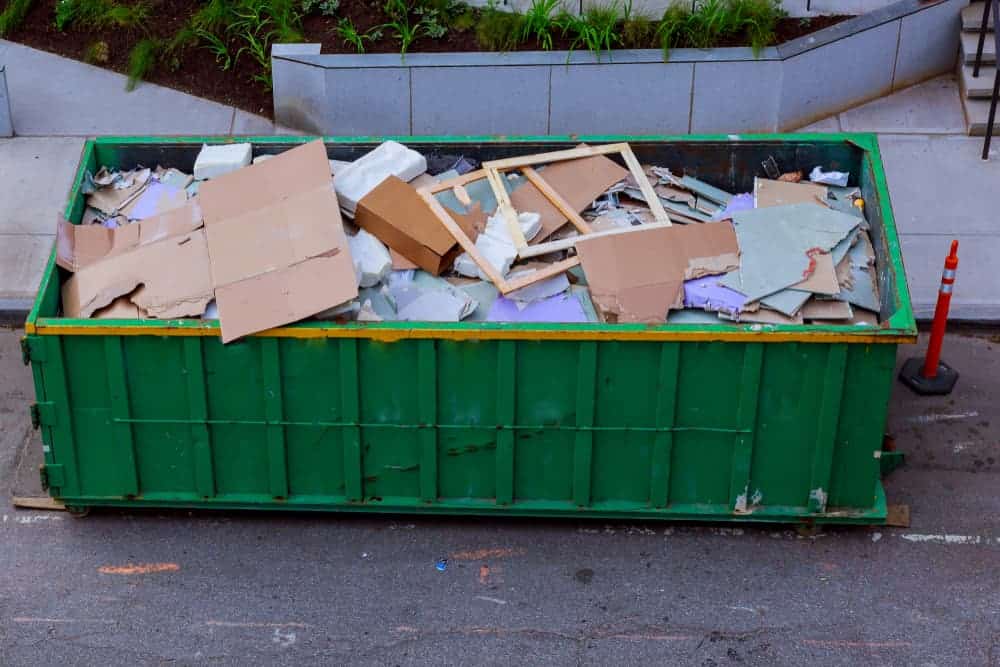
One more thing—don’t overfill the dumpster. Most rentals have a fill line, and if you go over it, the truck can’t safely pick it up. That means extra fees or a second trip, which defeats the purpose of renting a dumpster in the first place. Load it efficiently, keep it under the line, and you’re good to go.
Making Seasonal Cleanouts Easier with the Right Support
Seasonal cleanouts don’t have to take over your entire weekend or leave you exhausted. The key is having a plan, knowing what to tackle first, and having a place to put everything you’re getting rid of.
Whether you’re clearing out your garage before winter or finally dealing with that basement full of boxes, the right dumpster rental or junk removal service makes the job faster and less stressful. You’re not making endless trips to the dump. You’re not leaving piles of junk sitting in your driveway for weeks. You’re getting it done and moving on.
If you’re in Long Island, Suffolk County, or Nassau County and you’re ready to tackle your spring or fall cleanout, we can help. Fast delivery, fair pricing, and no hidden fees—just a straightforward way to get rid of the junk and reclaim your space.