Summary:
Understanding Dumpster Sizes: What the Numbers Actually Mean
When you see “20 yard dumpster,” that doesn’t mean the container is 20 yards long. The number refers to cubic yards of volume—how much stuff actually fits inside. Think of it like this: one cubic yard equals about five or six standard trash bags, or roughly what fits in a pickup truck bed.
Most dumpster rental companies in Long Island, NY offer four main sizes: 10, 20, 30, and 40 cubic yards. Each size serves different project types, and understanding the real capacity helps you avoid the two biggest mistakes—renting too small and paying overage fees, or renting too large and wasting money on unused space.
The key is matching your project’s debris volume to the right container size, not just guessing based on how big the job feels.
10 Yard Dumpster: Perfect for Small Projects and Heavy Materials
A 10 yard dumpster holds about four pickup truck loads of debris and measures roughly 14 feet long, 7.5 feet wide, and 3.5 feet high. This size works best for small-scale projects or when you’re dealing with heavy materials that could exceed weight limits in larger containers.
Here’s what typically fits in a 10 yard dumpster: a small bathroom renovation including old vanity, toilet, and flooring; roofing materials from about 1,500 square feet (shingles are heavy); basement cleanout for an average-sized room; or concrete removal from a small patio or walkway. The compact size makes it ideal for tight driveways in Nassau County neighborhoods where space is limited.
Weight matters more than volume with heavy debris. Concrete, brick, and roofing materials can max out the weight limit before you fill the container. A 10 yard dumpster typically handles 4,000 to 6,000 pounds, so if you’re disposing of construction materials, this smaller size prevents costly overweight charges.
Don’t choose a 10 yard dumpster for whole-house cleanouts or major renovations. You’ll end up needing multiple containers, which costs more than renting the right size initially. For example, if you rent two 10 yard dumpsters at $250 each, you’ve spent $500 versus $350-400 for a single 20 yard container that would have handled the job.
20 Yard Dumpster: The Sweet Spot for Most Long Island Projects
The 20 yard dumpster is the most popular choice for good reason—it balances capacity with practicality. Measuring about 22 feet long, 8 feet wide, and 4 feet high, it holds roughly eight pickup truck loads and fits comfortably in most Suffolk County driveways.
This size handles the majority of residential projects: kitchen remodels including cabinets, countertops, and appliances; whole-house cleanouts for average-sized homes; garage cleanouts with years of accumulated items; or medium-sized landscaping projects with tree debris and old fencing. The 20 yard container typically accommodates 10,000 to 12,000 pounds, enough for mixed debris without hitting weight limits.
Real-world example: A Huntington homeowner renovating their kitchen generated old cabinets, laminate countertops, vinyl flooring, and a refrigerator. Everything fit comfortably in a 20 yard dumpster with room to spare. Had they chosen a 10 yard container, they would have needed a second rental or faced overloading fees.
The 20 yard size also works well for estate cleanouts in Long Island’s older homes. These properties often contain decades of accumulated furniture, clothing, and household items. The container provides enough capacity without the expense of a larger size, and most items are light enough to stay within weight limits.
Consider upgrading to a 30 yard if your project involves particularly bulky items like large furniture sets, or if you’re combining multiple project types—say, a bathroom renovation plus garage cleanout. The modest price difference often makes sense versus risking multiple trips or overage charges.
How to Estimate Your Project's Debris Volume
Most people guess wrong on debris volume because they think in terms of room size rather than actual waste generated. A “small” bathroom renovation can produce more debris than you expect when you factor in drywall, flooring, fixtures, and packaging from new materials.
Start by categorizing your debris: light but bulky items like furniture and cardboard; medium-weight materials like drywall and wood; and heavy items like concrete, tile, and appliances. Each category fills containers differently and affects your size choice.
Use the pickup truck method for estimation. Walk through your project and count how many pickup truck loads of debris you’ll generate. Four truck loads equal about a 10 yard dumpster, eight loads fit a 20 yard, and so on.
30 and 40 Yard Dumpsters: When Bigger Makes Sense
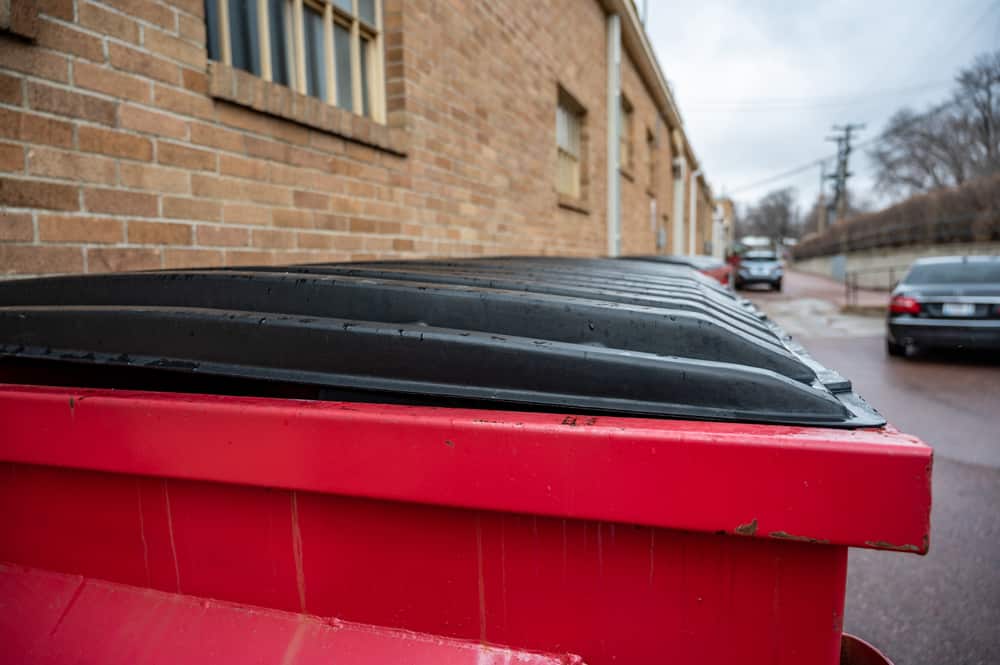
A 30 yard dumpster measures 22 feet long, 8 feet wide, and 6 feet high, holding about 12 pickup truck loads. This size suits whole-house renovations, large estate cleanouts, or commercial projects. The extra height accommodates bulky items like furniture sets and large appliances without the premium price of a 40 yard container.
The 40 yard dumpster—the largest standard size—measures 22 feet long, 8 feet wide, and 8 feet high. It holds roughly 16 pickup truck loads and works for major construction projects, complete home demolitions, or large-scale commercial cleanouts. In Nassau and Suffolk counties, this size often requires special placement considerations due to its height and weight.
Choose these larger sizes when you’re combining multiple project types or dealing with significant square footage. For instance, a whole-house renovation in Garden City including kitchen, bathrooms, and flooring replacement would generate enough debris to justify a 30 or 40 yard container.
However, bigger isn’t always better. If your debris is primarily heavy materials like concrete or roofing waste, you might hit weight limits before filling the container. In these cases, multiple smaller dumpsters or specialized heavy debris containers work better and cost less than paying overweight fees on a large container.
Avoiding the Most Expensive Dumpster Sizing Mistakes
The costliest mistake is underestimating and needing a second rental. Renting two 10 yard dumpsters costs $500 versus $350 for one 20 yard container. Always round up if you’re between sizes—the price difference between adjacent sizes is usually $50-100, much less than overage fees or multiple rentals.
Weight limits catch many Long Island homeowners off guard. Each dumpster size includes a weight allowance, typically 1-2 tons for 10 yard containers up to 4-5 tons for larger sizes. Exceed this limit and you’ll pay $50-100 per additional ton. Heavy materials like concrete, brick, and roofing shingles can max out weight limits before filling the container volume.
Don’t forget about access requirements. Larger dumpsters need more space for delivery and pickup. A 40 yard container requires 60 feet of straight-line access and 23 feet of vertical clearance. Check your driveway and street access before ordering, especially in older Nassau County neighborhoods with narrow streets or low-hanging wires.
Timing matters for cost control. Most rentals include 7-14 days, with daily fees for extensions. Plan your project timeline to avoid extended rental periods. If you’re doing work in phases, consider scheduling pickup and redelivery rather than paying daily extension fees for an empty or partially filled container.
Making the Right Dumpster Size Choice for Your Long Island Project
Choosing the right dumpster size saves money and prevents project delays. Start with your debris type and volume, consider weight limits for heavy materials, and always round up if you’re between sizes. The 20 yard dumpster handles most residential projects, while 10 yard containers work for small jobs or heavy debris.
Remember that Long Island projects often generate more waste than expected, especially renovations in older homes with multiple layers of flooring or unexpected structural elements. When in doubt, consult with experienced local providers who understand Suffolk and Nassau county project requirements.
For expert guidance on dumpster sizing and competitive pricing in the Long Island area, we’re here to help. Our local expertise helps you choose the right size the first time, avoiding costly mistakes and keeping your project on schedule.